Oxford Home Schooling and Tuition

The Flexible Way To Learn

KS3 Geography Courses

Flexible online Geography courses for Years 7, 8 and 9

Build confidence in maps, places, environments and geographical skills with structured home study courses for Key Stage 3 students. Our KS3 Geography courses are designed for students in Years 7, 8 and 9, helping them understand the world around them and prepare for GCSE or IGCSE study.

Whether your child is learning at home full time, needs extra support alongside school, or wants a more flexible way to study, our KS3 Geography courses provide clear materials, regular structure and optional tutor support.

From £14.99 / month

  • KS3 Geography for Years 7, 8 and 9
  • Start studying online
  • Minimum 6-month subscription
  • Optional printed course materials
  • Tutor marking available as an add-on

Flexible online Geography courses for Years 7, 8 and 9

KS3 Geography Student

Build confidence in maps, places, environments and geographical skills with structured home study courses for Key Stage 3 students. Our KS3 Geography courses are designed for students in Years 7, 8 and 9, helping them understand the world around them and prepare for GCSE or IGCSE study.

Whether your child is learning at home full time, needs extra support alongside school, or wants a more flexible way to study, our KS3 Geography courses provide clear materials, regular structure and optional tutor support.

From £14.99 / month

  • Start studying online
  • Minimum 6-month subscription
  • Optional printed course packs
  • Tutor marking available as an add-on

KS3 Geography home study for Years 7, 8 and 9

Geography helps students understand the world in which they live. It brings together places, people, environments, maps, weather, landscapes, resources and global issues, giving students a broader understanding of both physical and human geography.

Our KS3 Geography courses are written for independent study and cover the main knowledge and skills needed at Key Stage 3. Students develop their understanding of geographical vocabulary, map skills, fieldwork-style thinking, environmental processes and the ways people interact with places.

The courses are suitable for home educated students, students who are temporarily out of school, and students who want additional support outside the classroom. The aim is to help students build confidence and curiosity before moving on to GCSE or IGCSE Geography.

Choose the right KS3 Geography year

Key Stage 3 covers Years 7, 8 and 9, but students do not always fit neatly into a single year group. Some students may need to consolidate basic map and place knowledge, while others may be ready for more detailed geographical topics and extended written answers.

You can choose the course that best matches your child’s current confidence and experience rather than simply their age.

Year 7 Geography

A good starting point for students beginning Key Stage 3 Geography. Year 7 introduces what Geography is, latitude and longitude, water and weather, settlements, shopping, the Earth’s structure, rivers and farming.

Year 8 Geography

Year 8 Geography develops geographical knowledge and skills through maps, contours, climate and biomes, population, migration, earthquakes, coasts, tourism, natural resources and Russia.

Year 9 Geography

Year 9 Geography is the final stage of the Key Stage 3 course and helps students prepare for GCSE or IGCSE study. Students explore maps and GIS, weather systems, volcanoes, glaciation, business location, development, Antarctica and the Middle East.

When choosing a KS3 Geography course, think about:


  • your child’s confidence with maps, places and geographical vocabulary
  • whether they need to strengthen earlier geographical knowledge before moving on
  • how comfortable they are with written answers, diagrams and map-based activities
  • whether they are ready for more detailed human and physical geography topics
  • how soon they are likely to move on to GCSE or IGCSE Geography

How our KS3 Geography home study courses work

1.Choose the right year level

Select the Geography course that best matches your child’s confidence, previous study and readiness, rather than relying only on their school year.

2. Start studying online

Once enrolled, students get access to structured online course materials, with lessons, activities, self-assessment questions and assignments.

3. Add support when needed

Many students choose to add printed course packs, tutor-marked assignments or extra academic support as they work through the course.

4. Build towards GCSE

KS3 Geography helps students develop the knowledge, vocabulary, geographical skills and written confidence that can support later GCSE or IGCSE study.

What students will study in KS3 Geography

Across KS3 Geography, students work through the main areas of the Key Stage 3 curriculum, including:

  • map skills, latitude, longitude, contours and GIS
  • weather, climate, biomes and weather systems
  • rivers, coasts, glaciation and landscapes
  • settlements, shopping, tourism and business location
  • earthquakes, volcanoes and tectonic processes
  • population, migration, development and global inequality
  • natural resources, energy, water, forests and sustainability
  • regional studies including Russia, Antarctica and the Middle East
  • geographical vocabulary, diagrams, written answers and independent study skills

The aim is not just to learn facts about places, but to help students understand how Geography explains the relationships between people, environments and the changing world.

KS3 Geography Year 7

Year 7 Geography introduces students to the foundations of Key Stage 3 Geography. Students begin by asking what Geography is and exploring latitude and longitude.

They then move on to water and weather, settlements, shopping, the Earth’s structure, rivers and farming. The course helps students build confidence with key geographical vocabulary, diagrams, place knowledge and written answers.

KS3 Geography Year 8

Year 8 Geography develops the skills introduced in Year 7 and gives students more practice with maps, physical geography, human geography and global issues.

Students study maps and contours, climate and biomes, population, migration, earthquakes, coasts, tourism, natural resources and Russia. This year helps students make stronger links between physical processes, human activity and environmental change.

KS3 Geography Year 9

Year 9 Geography is the final stage of the Key Stage 3 course and helps students prepare for GCSE or IGCSE Geography.

Students study maps and GIS, weather systems, tropical storms, anticyclones, volcanoes, glaciation, business location, development, Antarctica and the Middle East.

The course brings together map skills, physical geography, human geography and global issues, helping students develop the confidence and geographical understanding they need for the next stage of study.

How the course is structured

Each KS3 Geography year is divided into modules covering key geographical topics and skills. Lessons include clear aims, context, reading, activities and opportunities to check understanding.

Students work through questions, written activities, diagrams, map work and optional extension tasks. Some activities involve using the internet or supporting resources to explore geographical ideas in more depth.

Assignments are linked to the course so students can check their progress. Tutor marking and feedback is available as an optional add-on, allowing families to choose whether they would like submitted work to be marked by a tutor.

Geography works best when students take time to understand key words, study maps and diagrams carefully, and think about how places, people and environments are connected. Parents can also use the guidance materials to support discussion and help students review their work.

Choose your KS3 Science course

Each KS3 Science course is designed for flexible home study and can be studied online at a pace that suits your child.

KS3 Geography Year 7

Best for: students beginning Key Stage 3 Geography or building confidence with maps, places, weather, rivers and human geography. Year 7 introduces what Geography is, latitude and longitude, water and weather, settlements, shopping, the Earth’s structure, rivers and farming in the UK and Kenya.

  • Strong starting point for KS3 Geography
  • Builds confidence with maps, weather, rivers and settlements
  • Introduces key geographical vocabulary and written answers

View Year 7 Geography

KS3 Geography Year 8

Best for: students who have some Key Stage 3 Geography experience and are ready to develop broader geographical knowledge. Year 8 covers maps, contours, climate and biomes, population, migration, earthquakes, coasts, tourism, natural resources and Russia.

  • Develops map skills and geographical understanding
  • Covers major physical and human geography topics
  • Builds links between people, places and environments

View Year 8 Geography

KS3 Geography Year 9

Best for: students preparing to move towards GCSE or IGCSE Geography, with more emphasis on global issues and geographical explanation. Year 9 explores maps and GIS, weather systems, tropical storms, volcanoes, glaciation, business location, development, Antarctica and the Middle East.

  • Builds towards GCSE-style Geography study
  • Develops confidence with physical and human geography
  • Introduces GIS, development and major world regions

View Year 9 Geography

Preparing for GCSE Geography

A strong Key Stage 3 foundation makes GCSE or IGCSE Geography much easier to approach. Students who understand maps, places, physical processes, human geography and environmental issues are better prepared for the more demanding geographical study they will meet later.

Our KS3 Geography courses help students build this foundation gradually. They study weather, rivers, coasts, tectonics, population, tourism, resources, development and world regions, while learning how to use geographical vocabulary, diagrams, maps and evidence clearly.

Year 9 Geography is particularly useful for students who are approaching GCSE study. It introduces more advanced topics such as GIS, weather systems, volcanoes, glaciation, development, Antarctica and the Middle East, helping students develop broader geographical thinking.

When your child is ready, they can move on to one of our GCSE Geography options.

View GCSE courses

KS3 Geography home study FAQs

Why should I choose Oxford Home Schooling?
  • Long-established educational company with experience supporting home-educated students
  • Rated “Excellent” on Trustpilot by students and families
  • Online and printed resources available on many courses
  • Flexible study with tutor support and interest-free monthly payments
Can my child study KS3 Geography from home?

Yes. Our KS3 Geography courses are designed for flexible home study. Students work through structured lessons from home, covering map skills, physical geography, human geography, environmental issues and world regions.

The course includes reading, activities, diagrams, map work, self-assessment opportunities and assignments, helping students build knowledge and confidence step by step.

Which KS3 Geography year should my child start with?

Most students start with the course that broadly matches their school year: Year 7, Year 8 or Year 9. However, it is often better to choose based on confidence, previous study and current ability rather than age alone.

A student who needs to strengthen basic map skills, place knowledge and geographical vocabulary may benefit from starting earlier, while a confident student may be ready for a more advanced year.

Does my child have to start with Year 7?

No. The year labels are a guide. If your child already has a good foundation in Key Stage 3 Geography, they may be ready for Year 8 or Year 9. If they need to rebuild confidence with maps, written answers or geographical vocabulary, Year 7 may be the better starting point.

Can my child study different year levels in different subjects?

Yes. Many home-educated students work at different levels in different subjects. Your child might be ready for Year 8 Geography while studying Year 7 Maths, or vice versa. The best choice is the level that matches their current confidence and skills.

Does KS3 Geography prepare students for GCSE?

Yes. KS3 Geography helps students build the knowledge, vocabulary and geographical skills needed before moving on to GCSE or IGCSE Geography. Students develop confidence with maps, diagrams, physical processes, human geography and written explanations.

Year 9 Geography is particularly useful for students preparing for GCSE-level study, as it introduces more advanced topics such as GIS, weather systems, volcanoes, glaciation, development, Antarctica and the Middle East.

Do we need to buy extra textbooks?

No. The KS3 Geography course materials are designed to provide students with what they need for effective study. From time to time, students may be directed towards useful websites, books or further reading, but these are not normally required purchases.

Are map skills included?

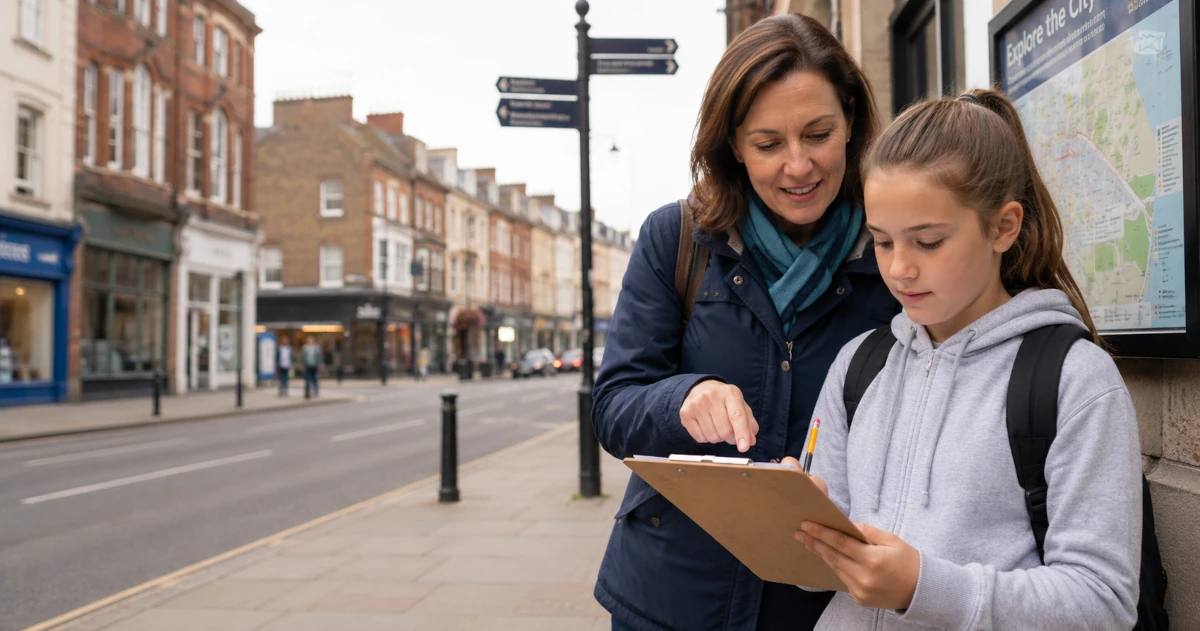
Yes. Map skills are an important part of KS3 Geography. Students study topics such as latitude and longitude, map symbols, contours, and later GIS, helping them build confidence with the tools geographers use to understand places.

Are practical or fieldwork-style activities included?

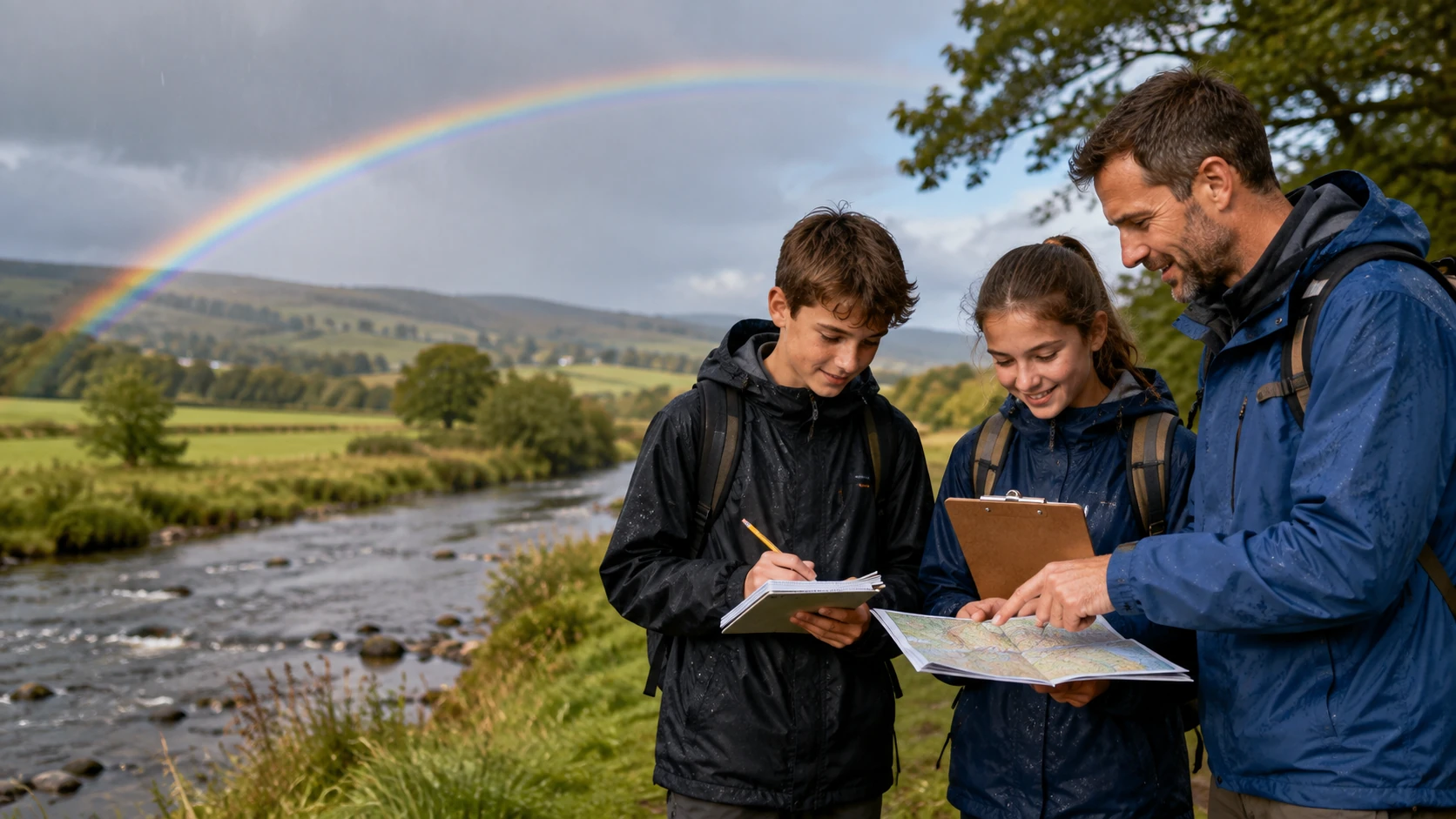
Yes. Geography includes practical and fieldwork-style thinking. Some activities may involve observing the local area, studying land use, looking at rivers or using maps and diagrams to understand real places.

Parents or guardians should supervise any activity that involves going outside or visiting a local area. Students should not go exploring alone, especially near rivers or other potentially risky locations.

Is tutor support available?

Yes. Tutor-marked assignments and additional academic support are available on many KS3 courses.

Tutor-marked assignments are useful because they give students clear feedback on how well they are understanding the course. They also help parents see whether their child is making good progress, where they may need more practice, and whether they are ready to move on to the next stage.

Tutorials can also be helpful, especially when a student has lost confidence, is finding a topic difficult, or would benefit from talking something through with a subject specialist. A tutorial gives the student a chance to ask questions, receive guidance and feel less isolated while studying from home.

Are printed materials available?

Yes. Printed course materials are available on KS3 courses for students who prefer working from paper as well as online.

Paper-based materials can be helpful for students who find it tiring to read everything on screen, who concentrate better with a physical workbook, or who like to highlight, annotate and make notes by hand. They can also make home study feel more structured, especially for younger students who benefit from having a clear folder of work to follow.

Many families use the online course and printed materials together, so the student has the flexibility of digital access while still being able to work from paper when that suits them better.

Are online video resources included?

The Geography courses include links to supporting Twig/ClickView resources. These films can help students explore geographical topics in more depth and add variety to the learning experience.

These resources are optional extras. The course materials are designed to be complete without them, so students can still study successfully even if they do not use every video resource.

What is the minimum subscription period?

Our course subscriptions have a minimum subscription period of six months. After that, subscriptions can usually be cancelled in line with the subscription terms.

Are tutor-marked assignments included?

Assignments are built into the course structure so students can check their progress. Tutor marking and feedback is available as an optional add-on. This gives families the flexibility to decide whether they would like work to be submitted for tutor feedback.