Qualification
Pearson Edexcel IGCSE
International GCSE Single Award Science specification 4SS0.
Pearson Edexcel International GCSE · Single Award Science 4SS0
Study essential Biology, Physics and Chemistry through one structured home-study course leading to a single IGCSE qualification. Develop scientific knowledge, calculation skills and an understanding of practical investigations.
£14.99 / month
Course overview
Develop a broad understanding of scientific facts, concepts and principles across the three sciences. The course also develops investigative skills and the ability to evaluate the benefits and drawbacks of modern scientific developments.
Qualification
International GCSE Single Award Science specification 4SS0.
Qualification value
Single Award Science combines selected Biology, Physics and Chemistry content into one qualification.
Course structure
An introductory numerical-skills lesson is followed by 18 modules across the three sciences.
Recommended study time
Work through the course at a pace that suits your timetable and intended examination date.
Enrolment
There is no fixed term date, so you can begin when it suits your study plans.
Assignments
Examination-style assignments are distributed across the Biology, Physics and Chemistry sections.
Assessment
Students sit one paper each in Biology, Physics and Chemistry. Each contributes one third of the qualification.
Entry and grading
All candidates sit the same papers and can access the full range of grades.
This course should not be confused with Pearson Edexcel International GCSE Science Double Award. Double Award Science includes more content and is worth two IGCSE qualifications, while this 4SS0 course leads to one IGCSE.
The course is designed to be accessible to students who may have only a limited previous background in science. Students who have studied science before will recognise ideas that are developed further throughout the lessons.
There is no separate practical examination or practical coursework. Students learn how to design investigations, carry out procedures, interpret results and evaluate methods, and these skills are assessed in the written papers.
How the course works
The course is arranged into Biology, Physics and Chemistry sections. You can study them in that order or, with appropriate guidance, alternate between subjects as your studies progress.
Receive immediate access to your online Single Science course and begin studying without waiting for a fixed term date.
Follow structured lessons in Biology, Physics and Chemistry, using the course notes and the specified Pearson textbooks.
Complete activities involving experimental design, measurements, calculations, graphs, observations and the interpretation of scientific evidence.
Revise each science separately and complete the Biology, Physics and Chemistry practice papers under timed conditions.
Optional extra support
Assignment marking, practice-paper marking, Email Tutor Support and one-to-one tutorials can be added when you need feedback, explanation or help with calculations and examination technique.
What you’ll study
The course begins with Biology before moving through Physics and Chemistry. Each section includes subject knowledge, practical investigation skills and preparation for its corresponding examination paper.
Study cells, human and plant physiology, reproduction, inheritance, ecosystems and food production. The Biology section contains 18 numbered lessons and concludes with a Paper 1B practice examination.
Study forces, electricity, waves, energy, pressure, gases,
magnetism, radioactivity and stellar evolution. The Physics
section contains 25 lessons and concludes with a Paper 1P
practice examination.
Study particles, atoms, bonding, chemical reactions, investigative methods, patterns in the periodic table, organic chemistry and quantitative calculations. The Chemistry section contains 20 lessons and concludes with a Paper 1C practice examination.
The course is presented in the order Biology, Physics and Chemistry. Students may follow that sequence or, with suitable guidance, alternate between the subjects after a module or assignment.
Within each science, complete the modules in order so that subject knowledge, calculations and investigative skills develop progressively.
Exams and assessment
Students sit three externally assessed written papers: one in Biology, one in Physics and one in Chemistry. Each paper lasts 1 hour 10 minutes and contributes one third of the qualification.
Biology Paper
This paper assesses the complete Biology content of the Single Award Science specification, including biological knowledge, data handling and investigative understanding.
Physics Paper
This paper assesses the complete Physics content of the specification, including calculations, graphs, practical methods and the application of physical principles.
Chemistry Paper
This paper assesses the complete Chemistry content of the specification, including chemical knowledge, calculations, experimental procedures and data interpretation.
Entry tier
All students sit the same three papers and can access grades from 9 to 1.
Qualification value
The marks from all three papers are combined to produce one overall Single Award Science grade.
Practical assessment
There is no separate practical examination or coursework. Investigative skills are assessed in the written papers.
Examination skills
Students may need to calculate, interpret unfamiliar information, draw graphs and explain scientific phenomena. Calculators may be used.
Examination entry
Course enrolment does not automatically enter you for the examinations. Private candidates should locate a centre that accepts Pearson Edexcel International GCSE Single Award Science and confirm its entry arrangements, fees and deadlines.
Make sure the centre enters you for specification 4SS0 and all three components: 1B, 1P and 1C.
Support and add-ons
Your subscription provides the structured online course. Optional add-ons let you purchase written feedback, direct tutor contact, live explanations and printed materials when they would help.
Written feedback
Purchase marking for individual Tutor-marked Assignments and receive feedback on scientific knowledge, calculations, explanations and investigative reasoning.
Exam preparation
Complete the Biology, Physics and Chemistry practice papers under timed conditions and purchase marking to identify strengths and revision priorities.
Written tutor contact
Ask focused questions about a scientific principle, calculation, experiment, graph or course activity through the managed Email Tutor Support service.
Live support
Book a live tutorial for personalised explanation, help with calculations, practical-method guidance or focused examination preparation.
Study your way
Add printed Oxford Home Schooling course materials if you prefer working through scientific explanations, diagrams and activities on paper. The three textbooks are separate.
Flexible support
Begin with the core course and add marking, tutor contact, tutorials or printed materials as your science studies progress.
Course support
Review the available services before enrolling, or use My Course Add-ons after enrolment to purchase support linked to your Single Science course.
Frequently asked questions
Find answers about the qualification, its three science sections, examinations, practical work, textbooks and the difference between Single and Double Award Science.
Single Award Science combines selected Biology, Physics and Chemistry content into one Pearson Edexcel International GCSE qualification.
Students take three written papers, but receive one overall IGCSE grade.
Single Award Science specification 4SS0 is worth one IGCSE. Double Award Science specification 4SD1 contains additional material and is worth two IGCSE qualifications.
Students should ensure that their course and examination entry both use the correct specification.
No. The course is designed to be accessible to students with a limited previous background in science. It begins with an introductory lesson on using numbers in science.
That is the suggested order, but it is not compulsory. With appropriate guidance, students may alternate between subjects after a module or Tutor-marked Assignment.
The modules within each individual science should still normally be completed in sequence.
There are three written papers: Biology 4SS0/1B, Physics 4SS0/1P and Chemistry 4SS0/1C.
Each paper lasts 1 hour 10 minutes, carries 60 marks and contributes one third of the final qualification.
No. All candidates sit the same papers. The qualification is graded from 9 to 1.
No. There is no coursework and no separate practical examination. Practical and investigative skills are assessed through questions in the written papers.
Suitable practical activities can help you understand experimental methods and prepare for practical-based examination questions.
Only carry out work that is safe and appropriate for the home environment, using suitable equipment and adult supervision where required.
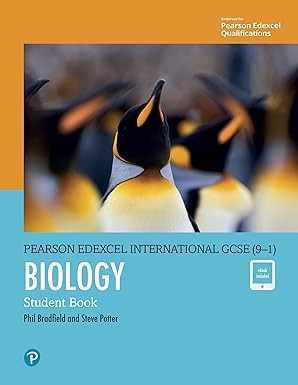
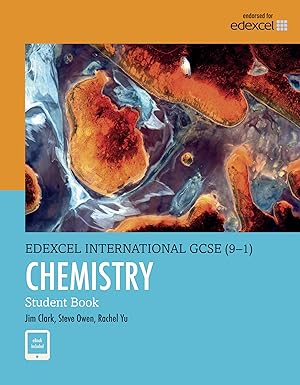
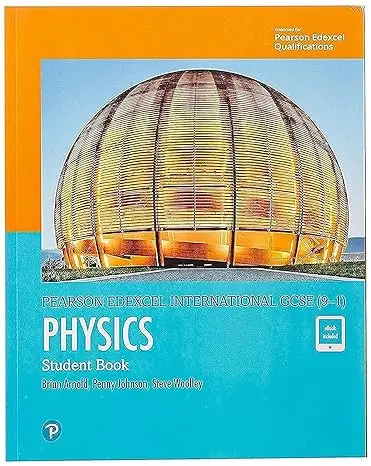
Yes. The course uses separate Pearson textbooks for Biology, Physics and Chemistry. Reading references are provided throughout the lessons.
Each textbook contains more content than is required for Single Award Science, so students should follow the exact reading instructions given in the course.
Yes. Calculators may be used in all three papers. Students should become familiar with their calculator during the course, particularly for Physics and Chemistry calculations.
Pearson’s formula-sheet policy may vary between examination series. Check the current arrangements for the year in which you plan to sit the papers.
Even when formulae are supplied, students must know which relationship to use and how to apply it correctly.
In combination with other suitable IGCSE subjects, the course provides a broad scientific foundation for further study.
Entry requirements for A-level sciences vary, so students should check the requirements of their intended sixth-form or course provider before choosing their qualification route.
Course materials
The Oxford Home Schooling course is designed to be used alongside separate Pearson student books for Biology, Physics
and Chemistry. Each lesson identifies the exact pages and questions required for Single Award Science.
Ready to begin?
Enrol at any time and begin working towards the Pearson Edexcel International GCSE Single Award Science qualification through a structured, flexible home-study course.
Return to the enrolment panel to review today’s payment and add the course to your basket.